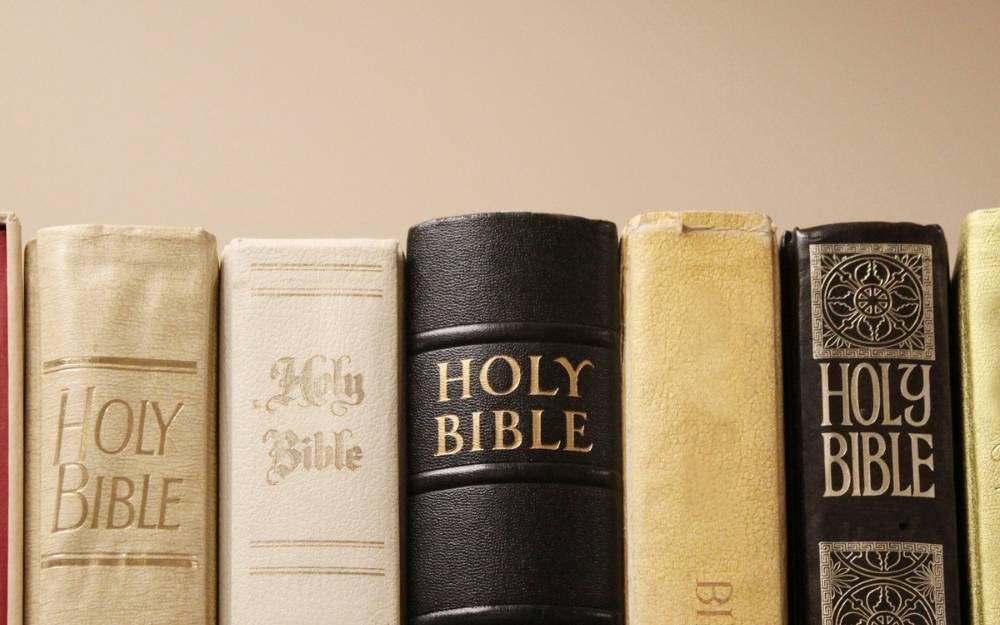
The enduring fascination with historic scripture
There is something undeniably evocative about holding a book that has survived several centuries. When that book is an antique bible, the experience becomes even more profound. It is not just about the religious text itself, but the physical journey the volume has taken through time. For many collectors and history enthusiasts, these books represent a tangible link to the past, offering a glimpse into the lives, beliefs, and craftsmanship of previous generations. Unlike modern mass-produced paperbacks, these older volumes carry the weight of history in their heavy leather bindings and hand-pressed pages.
In an age where everything is becoming increasingly digital, the tactile nature of a physical book is being rediscovered. People are drawn to the scent of aged vellum, the texture of handmade paper, and the intricate gold leafing that often adorns the edges of the pages. An antique bible is more than just a piece of literature; it is a work of art and a historical artefact that tells a story far beyond the words printed on its leaves.
What actually makes a bible antique
While the term is often used loosely, a true antique is generally defined as an item that is at least one hundred years old. However, in the world of book collecting, the most sought-after pieces often date back much further, reaching into the 16th, 17th, and 18th centuries. The value and interest in these books are often determined by several key factors that go beyond simple age.
- The Translation: Certain versions, such as early King James editions or the Geneva Bible, hold immense historical significance.
- The Printer: Renowned printing houses or individual master printers can significantly increase the desirability of a volume.
- The Binding: Original leather bindings, especially those with ornate tooling or metal clasps, are highly prized by collectors.
- Provenance: The history of ownership, including bookplates or handwritten notes from previous owners, adds a layer of personal history.
It is also important to recognise the distinction between rarity and age. Just because a bible is old does not necessarily mean it is rare. During the Victorian era, for example, family bibles were produced in vast quantities. While these are beautiful and hold great sentimental value, they are generally more common than the hand-printed volumes of the early Reformation period.
The stories hidden within the margins
One of the most charming aspects of an antique bible is what you might find tucked between the pages or written in the margins. Before the days of digital records and central registries, the family bible often served as the primary record of a household’s history. It was common practice to use the blank pages between the Old and New Testaments to record births, marriages, and deaths.
When you leaf through these old volumes, you might find a lock of hair, a pressed flower from a long-forgotten wedding, or a funeral card from the 1800s. These personal touches transform the book from a religious text into a family archive. For genealogists, finding an ancestor’s antique bible can be like discovering a gold mine of information that might not exist anywhere else. It provides a direct, intimate connection to the people who once sat by candlelight, reading those same verses and recording their family’s milestones.
Identifying significant editions and translations
To understand the landscape of historic bibles, one must look at the pivotal moments in printing history. The transition from Latin to the vernacular (the language of the common people) was a revolutionary shift that changed the course of history. Collecting bibles from these transitional periods allows us to see how language evolved and how the printed word became accessible to the masses.
The Geneva Bible
First published in 1560, the Geneva Bible was the primary bible of 16th-century English Protestantism. It was the first to use chapters and numbered verses, making it much easier to navigate. It was also the bible used by William Shakespeare and the pilgrims who travelled to America. Its distinctive marginal notes, which provided a Calvinist interpretation of the text, make it a fascinating study for historians.
The King James Version (KJV)
Perhaps the most famous translation in the English-speaking world, the 1611 King James Bible is a masterpiece of English literature. Early editions are incredibly rare and are considered the crown jewels of many collections. Even later 17th-century printings of the KJV are highly sought after for their beautiful typography and the cultural impact they had on the English language.
How to care for and preserve old volumes
If you are fortunate enough to own an antique bible, proper care is essential to ensure it survives for future generations. These books are often fragile and susceptible to environmental damage. Atmospheric conditions can cause paper to become brittle and leather to crack, so maintaining a stable environment is the first step in preservation.
- Control the Light: Keep your books away from direct sunlight, which can fade the covers and accelerate the decay of the paper.
- Regulate Temperature: Avoid storing bibles in lofts or basements where temperatures fluctuate wildly. A cool, dry room is ideal.
- Handle with Care: Always ensure your hands are clean and dry before touching the pages. Contrary to popular belief, white cotton gloves can sometimes cause more harm by reducing your manual dexterity; clean, bare hands are often preferred by modern archivists.
- Store Upright: Large family bibles should be stored flat to prevent the weight of the pages from pulling on the binding, but standard-sized volumes should be kept upright on a shelf, supported by other books of a similar size.
If a binding is falling apart, it may be tempting to use tape or modern glue to fix it. However, this can cause irreversible damage. If an antique bible requires repair, it is always best to consult a professional book conservator who uses reversible, acid-free materials that honour the original construction of the book.
The joy of starting a collection
Starting a collection of historic bibles does not necessarily require a massive budget. While the landmark editions from the 1500s can command high prices, there are many beautiful and historically interesting volumes from the 18th and 19th centuries that are quite accessible to the average enthusiast. The key is to decide what interests you most. Some collectors focus on a specific translation, while others look for bibles with unique illustrations or those printed in a particular city.
When searching for additions to your library, pay close attention to the condition of the internal pages. While a worn cover can often be repaired or replaced, missing pages or heavy staining inside the text block can detract from the book’s value and readability. Look for crisp typography and intact engravings, as these are the elements that truly showcase the artistry of the period.
Building a collection is a slow and rewarding process. It involves a bit of detective work, a fair amount of patience, and a genuine love for the written word. Each new acquisition brings with it a piece of the past, allowing you to curate a personal museum of social and religious history right on your own bookshelves. Whether it is a small pocket-sized New Testament carried by a soldier or a massive pulpit bible from a country parish, each volume has a unique character that continues to resonate long after its original owners have passed into history.

Patricia writes about trends, practical tips, and industry updates, offering clear and accessible information for all audiences.